
Gastrointestinal Disease
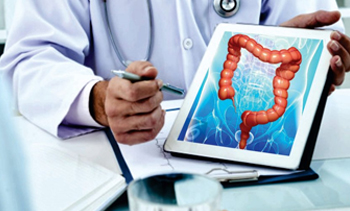
Gastrointestinal (GI) diseases are disorders affecting the digestive tract—from the esophagus to the anus—ranging from mild to severe, including structural (e.g., colitis) and functional (e.g., IBS) conditions.
Advanced Endoscopy
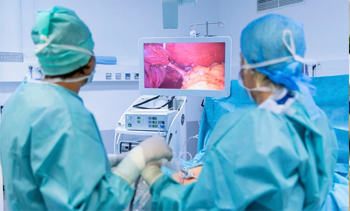
Advanced endoscopy comprises specialized, minimally invasive techniques to diagnose and treat complex gastrointestinal (GI) conditions without surgery, often offering faster recovery and lower risks than traditional surgery.
Liver Disease
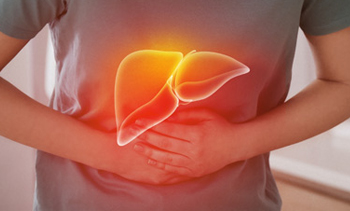
Liver disease involves damage to the liver from infections (hepatitis), alcohol abuse, immune issues, or obesity-related fatty liver, causing dysfunction and potential cirrhosis.

Pancreatitis
Pancreatitis is inflammation of the pancreas, causing severe, radiating upper abdominal pain, nausea, and vomiting.
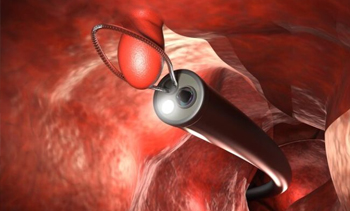
ERCP
Endoscopic retrograde cholangiopancreatography (ERCP) is a specialized, minimally invasive procedure combining endoscopy and X-ray to diagnose and treat conditions of the bile and pancreatic ducts, such as stones, strictures, or tumors.
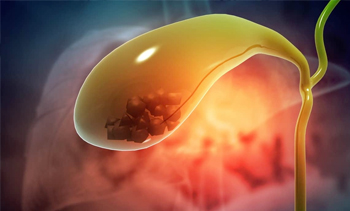
Gall Bladder
The gallbladder is a small, pear-shaped organ located beneath the liver that stores and concentrates bile to digest fats.
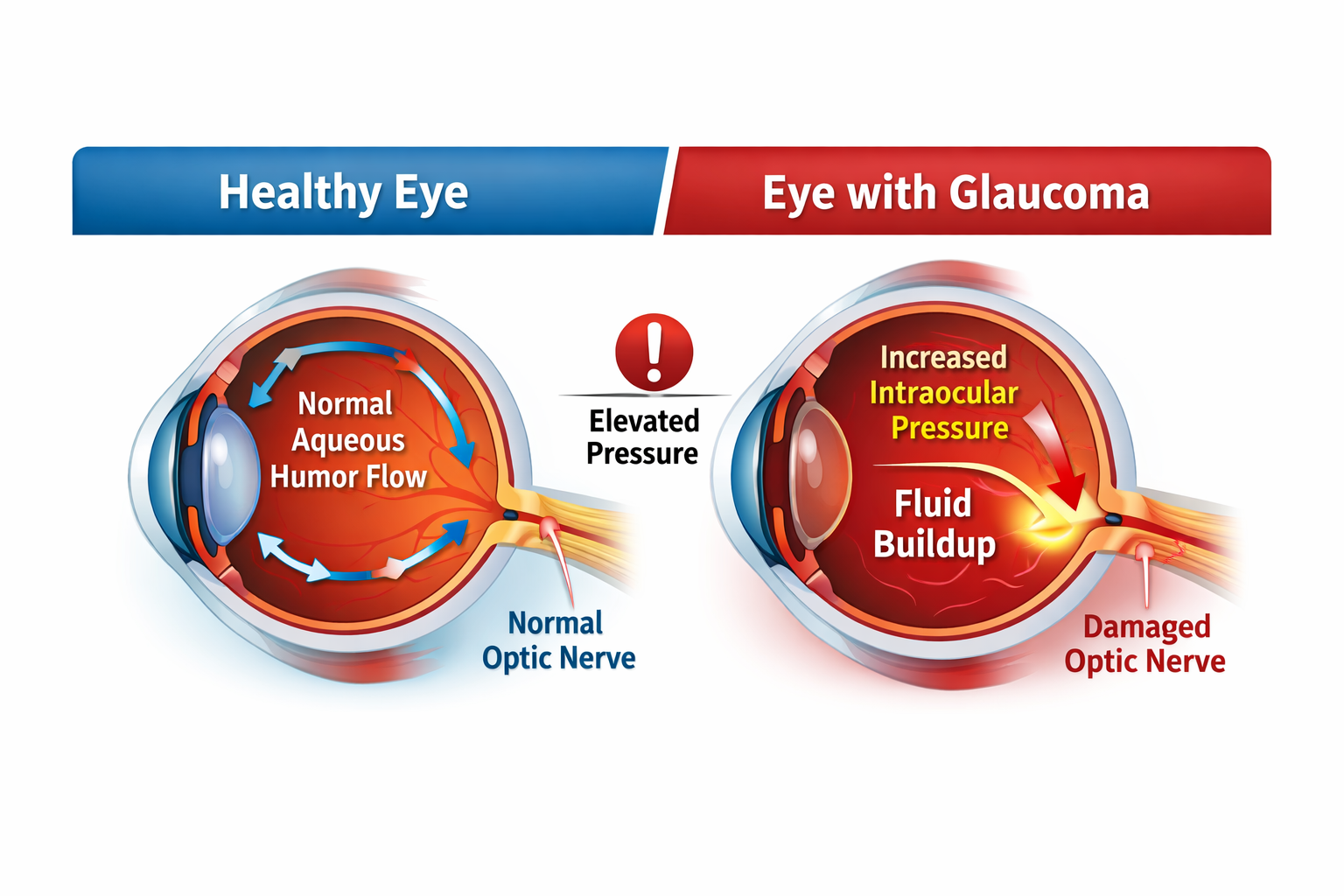
Glaucoma
👁️ Glaucoma
Glaucoma is called the “silent thief of sight” because it damages vision slowly without early symptoms.
It happens due to increased pressure inside the eye.
This pressure can damage the optic nerve permanently.
If not treated, it can lead to complete blindness.
Regular eye check-ups can help detect it early and save vision.
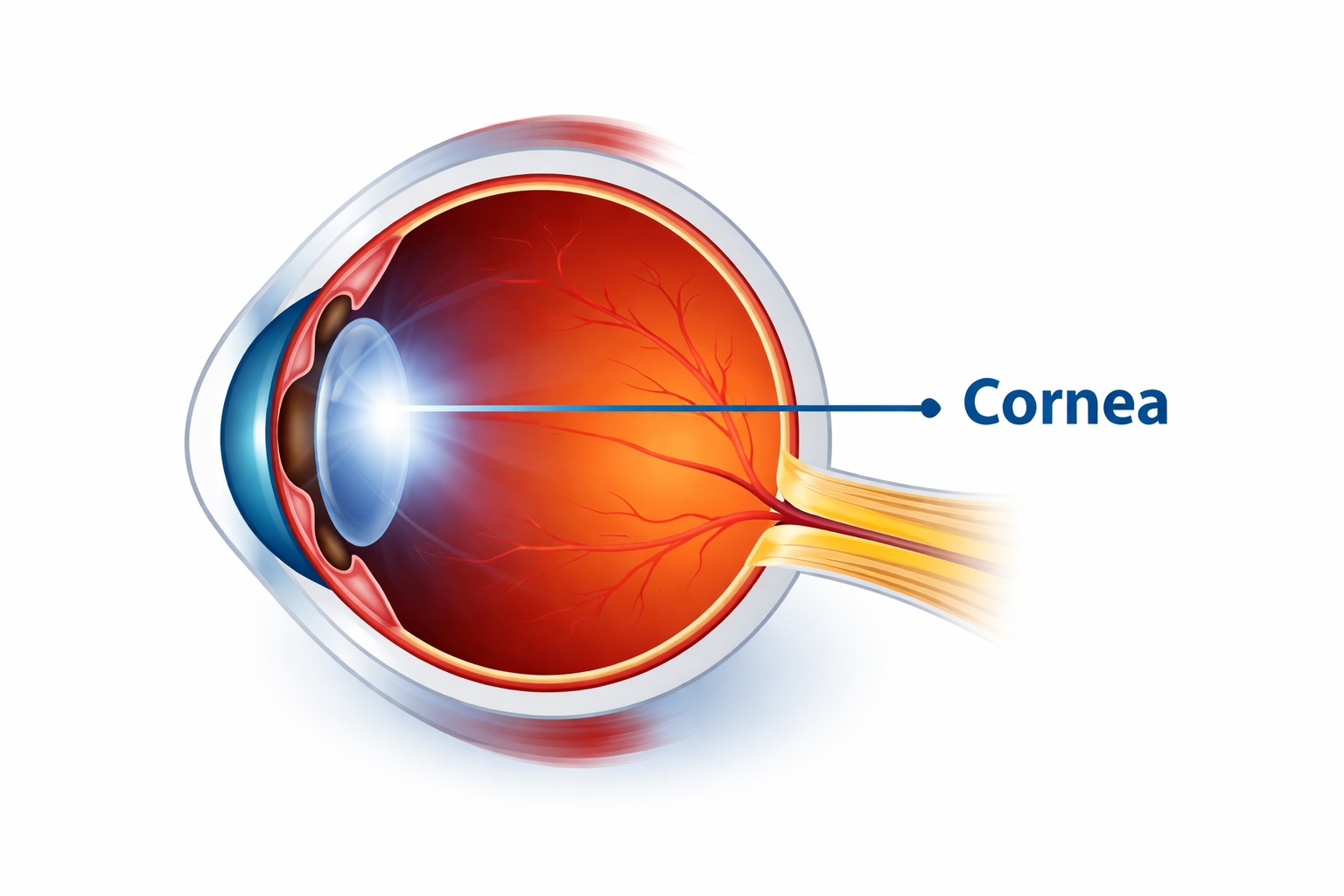
Cornea
👁️ Cornea
The cornea is the clear, front surface of your eye.
It helps focus light so you can see clearly.
Even a small scratch on the cornea can be very painful.
It plays a major role in protecting the eye from dust and germs.
A healthy cornea is essential for sharp and clear vision.
Cataract
👁️ Cataract
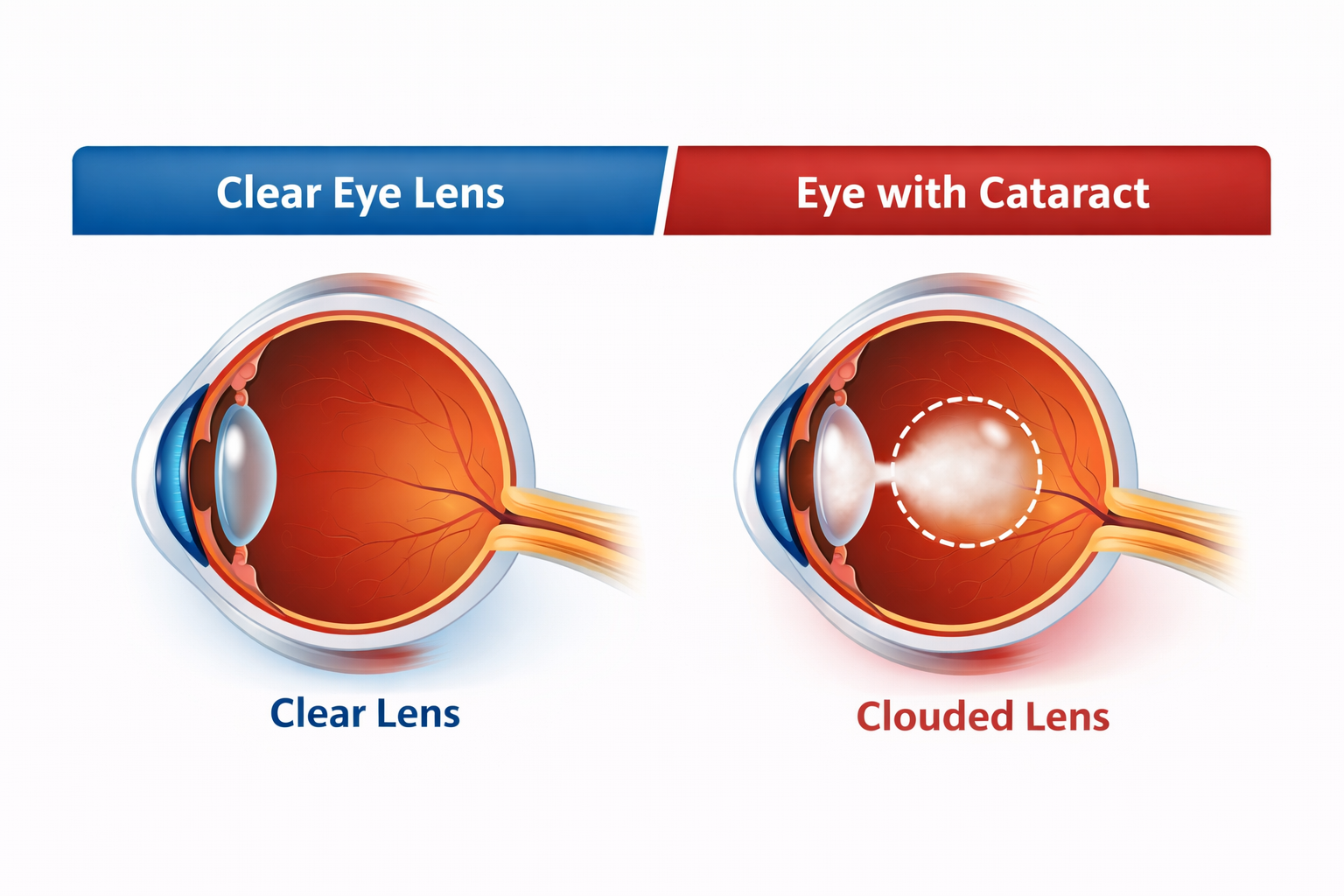
Cataract causes the eye’s natural lens to become cloudy.
It makes vision blurry, like looking through fog or dirty glass.
It usually develops with age but can happen earlier too.
Bright lights and glare become difficult to handle.
Cataract surgery is simple and can restore clear vision.